We independently review everything we recommend. When you buy through our links, we may earn a commission. As an Amazon Associate we earn from qualifying purchases.
4 Best Air Movers for Water Damage Drying (November 2026)
Compare the best air movers for drying wet carpet, floors and wall bases, with CFM, motor, amp draw, timer and daisy-chain details from each listing.
Compare the best air movers for drying wet carpet, floors and wall bases, with CFM, motor, amp draw, timer and daisy-chain details from each listing.
Standing water is gone in an hour with a mop and a bucket; the soaked carpet pad, the damp wall base and the wet subfloor are the real problem, and they dry only as fast as air moves across them. The buying decision is therefore not fan versus no fan. It is how much focused airflow one machine puts on a wet surface, how many machines a single circuit can feed, and whether the unit fits the space where the water actually went.
This shortlist is for homeowners clearing up after a leak, cleaners and landlords turning wet rooms around, and crews doing small restoration jobs. Every pick is a true centrifugal air mover sold on Amazon, chosen from the figures in its own listing — rated CFM, motor size, amp draw, speeds and drying positions — rather than from brand claims, and the four picks span mini spot dryers through a full-size commercial unit.
Quick Picks
As an Amazon Associate we earn from qualifying purchases.
Product
Best for
Key spec from title
XPOWER P-230AT Mini Mighty
Home dry-outs with unattended timer runs
925 CFM, 1/4 HP motor
B-Air VP-25
Crews and landlords who need a rugged compact
900 CFM, roto-molded housing
XPOWER P-80A Mini Mighty
Spot drying in cabinets and crawl spaces
600 CFM, 138 W motor
MOUNTO 3-Speed Monster
Large open floors and commercial jobs
4,000+ CFM, 1 HP motor
How to Choose
Match Airflow to the Wet Area
CFM is the headline figure on every listing, and it decides how much wet surface one unit can keep air moving across. A 600 CFM mini handles a cabinet cavity or a single soaked corner. A full bedroom of wet carpet usually wants 900 CFM or more pointed along the longest wall, and a flooded open-plan floor can justify several thousand CFM. More airflow is not automatically better: an oversized unit on a small patch wastes circuit capacity that a second, better-placed machine could use on the far side of the room.
Count Amps Before You Count Machines
Drying plans usually fail at the receptacle, not at the fan. Listings print the amp draw, and the totals add up fast: a 1.2-amp mini barely touches a household circuit, a 2.3-amp unit still leaves room for partners, and a large 1 HP machine can claim much of a breaker on its own. Add up every unit, plus a dehumidifier if one is running, before the first cord is unrolled. Staying under the circuit limit is what lets a dry-out run for days without a tripped breaker undoing the schedule.
Aim the Air, Do Not Just Move It
An air mover earns its keep by skimming air across the wet surface, not by stirring the middle of the room. Flat 0-degree placement drives air along floors and under carpet edges. A 45-degree tilt works up walls and across furniture, and a 90-degree position points at ceilings and high corners. Kickstands and extra angles matter in odd spaces such as stairwells. Check the position list on the listing before buying, because a fixed-angle budget unit can leave the one surface you need — a wall base or a ceiling stain — out of the stream.
Daisy Chains, Timers and Storage
Whole-room jobs rarely run on one machine, so the details around the motor decide how the set behaves. Built-in outlets let units daisy chain from a single receptacle, and the listing usually states how many can link safely. A timer suits overnight runs in an empty property, switching the machine off instead of leaving it to run until someone returns. Stackable housings sound minor until four units need to fit in one closet or one vehicle. Cord length matters the same way: a 10-foot cord ties the unit to the wall, while a longer lead opens up placement.
The P-230AT is the size most home drying jobs actually need. Its 1/4 HP motor pushes 925 CFM in a body under 10 pounds, so one person can carry it from a soaked bathroom to a damp basement corner without a second trip. The built-in 3-hour timer suits set-and-forget runs after a leak, and the two onboard outlets let extra units chain off the same receptacle. Four tilt positions aim air flat across carpet, up a wall, or at a ceiling, and the housing stacks up to four high between jobs.
Choose the VP-25 when the machine will live in a truck bed or a rental fleet and take knocks for years. The roto-molded housing shrugs off rough handling that cracks thinner shells, and the 1/4 HP enclosed motor drives 900 CFM through three speeds. Its draw stays low, topping out at 2.1 amps, so up to five units can daisy chain on one circuit for a whole-room dry-out. Three standing angles cover floors, walls and ceilings, and the compact shell still fits inside a cabinet vanity or closet.
The P-80A is the pick for spot drying in places a full-size blower cannot reach. At 7.9 pounds with a footprint near a sheet of paper, it slides under vanities, inside cabinets and into crawl spaces, and its 138-watt motor still delivers 600 CFM. The draw is just 1.2 amps at the top setting, leaving plenty of circuit capacity for other equipment. A kickstand adds a fourth working angle beyond the usual three, and two built-in outlets allow daisy chaining when one wet patch turns into several.
For a flooded open floor, a compact mini runs out of reach, and that is where this 1 HP MOUNTO belongs. The listing rates it at 4,000+ CFM across three speeds, several times the output of the minis above, so one unit can sweep a long wall line or a broad carpeted area. At 39.3 pounds it is a two-hand carry rather than a grab-and-go tool, and the 15-foot cord is shorter than the job may want, so plan an extension lead into the layout from the start.
Which One Fits Your Situation
A Leak Caught the Same Day
One room, one wet patch of carpet, and a machine needed tonight. A mid-size unit in the 900 CFM class, such as the P-230AT or the VP-25, covers this well: set it flat at the edge of the wet area, aim along the longest wall, and let the timer or a manual check pace the run. Pull the carpet corner up if you can, so air reaches the pad underneath.
Turning Around Rental Rooms and Work Sites
Cleaners and landlords repeat the same job in different rooms, so durability and circuit manners matter more than peak airflow. The VP-25’s roto-molded shell and five-unit daisy chain fit that pattern: several machines ride in one vehicle, stack between jobs, and spread across a unit on a single circuit. The P-230AT is the lighter alternative when one person carries everything and a timer helps pace unattended runs.
Cabinets, Crawl Spaces and Other Tight Cavities
Water hides where full-size blowers cannot follow: under a vanity, inside a kitchen cabinet run, or along a crawl space wall. The P-80A is built for exactly this, small enough to sit inside the cavity and light enough to reposition one-handed. Its low 1.2-amp draw also leaves the circuit free for a second unit or a dehumidifier working the same room.
A Whole Open Floor After Serious Water
When the wet area is a warehouse aisle, a shop floor or an open-plan level, mini units multiply cords and trips. One high-output machine such as the MOUNTO, rated at 4,000+ CFM, sweeps a long run of flooring from a single position. Plan for its weight and cord: set it where it will stay, run the extension lead first, and check the surface in sections as the dry line advances.
Common Mistakes
Buying on CFM alone and ignoring amp draw, then tripping the breaker that every chained unit shares.
Pointing the outlet into the middle of the room instead of skimming air across the wet surface.
Drying the carpet top while the pad underneath stays wet; lift a corner so air can reach it.
Running one mini in a large open space and expecting whole-room drying times from a spot dryer.
Forgetting the moisture has to leave the building: pair air movement with a dehumidifier or ventilation.
Frequently Asked Questions
How many air movers does one room need?
Most single rooms dry well with one or two units. Place the first at the edge of the wet area aimed along the longest wall, and add a second when the room is large, the carpet pad is soaked through, or corners sit outside the first airstream. Count the combined amp draw before chaining them on one circuit.
Can an air mover run for days at a time?
Yes, these machines are built for continuous duty during a dry-out, and restoration work routinely runs them around the clock for several days. Keep the intake and outlet clear, check the cord and receptacle for heat, and confirm the surface is actually drying each day. A timer model helps pace runs in an empty property between visits.
How is an air mover different from a normal fan?
A room fan stirs air in a broad, gentle pattern for comfort. An air mover uses an enclosed centrifugal wheel to push a fast, flat stream along a surface, which is what lifts moisture out of carpet, flooring and wall bases. The housings are also built to tilt, stack and chain together, so several units work as one drying system.
Does an air mover remove moisture from the air?
No. An air mover only speeds evaporation from wet surfaces; the moisture it lifts still hangs in the room air. Pair it with a dehumidifier, or with open windows and exhaust ventilation when the weather allows, so the damp air actually leaves. Without that second step, surfaces can feel dry while the room stays humid enough for odors to return.
K
Kissmyaster Editorial Team
We compare specs, materials and verified owner reviews before a product earns a spot. Rankings are never paid.
Affiliate disclosure. As an Amazon Associate we earn from qualifying purchases at no extra cost to you. Prices accurate as of the date shown.
OWB holsters ride outside the waistband on a belt. Learn how they are built, how they differ from IWB, main styles, and what to check before choosing one.
Four IWB holsters whose listings name the Kimber K6s, in steerhide, crazy horse leather and clipless synthetics, with fit notes for each barrel length.
Compare four assisted braking belay devices on rope range, weight and lowering control: Petzl GRIGRI+, GRIGRI, Edelrid Pinch and Black Diamond ATC Pilot.
Best shocks for SUV 2: five strut and shock kits for Highlander, RX, Expedition, Santa Fe, and Tahoe-class SUVs, with fitment and install notes inside.
Best camper trailer tow hitch: five weight distribution hitches with sway control for camper trailers, 10,000 to 15,000 lb, with shank and install notes.
Best 49cc mini chopper motorcycle: four live mini chopper bikes, all 40cc-class — no 49cc chopper listing found live. Size, engine, and rider notes inside.
Compare the best value business class laptops for work, travel, and everyday office use. Find durable ThinkPad, Latitude, ProBook, and ExpertBook picks.
Best one step compound and polish 2: five one-step compounds that cut swirls and leave gloss in a single pass, compared by cut, finish and bottle size.


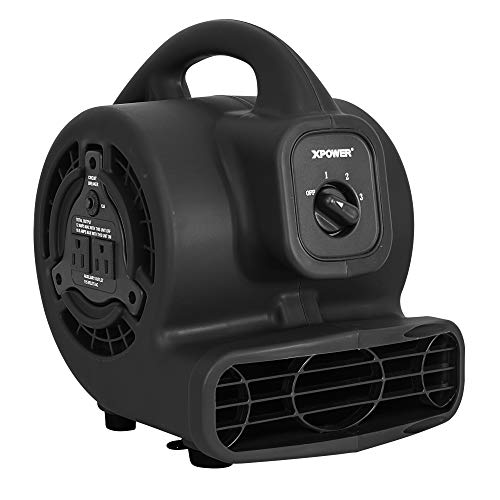
 MOUNTO 3-Speed 1 HP Monster Air Mover