Key takeaways
- One glycol chiller clears the bar for home fermentation: the Penguin 1/2HP. See how its output, reservoir and four-vessel fittings fit your brewery.
A glycol chiller is the purchase that ends fermentation guesswork. Once a chilled glycol loop feeds your fermenters, ale temperatures hold through a heat wave, lagers sit exactly where the recipe puts them, and a cold crash stops depending on fridge space or bags of ice. The decision is capacity and completeness: how much cooling the unit delivers at working bath temperatures, how many vessels it can serve at once, and how much extra hardware the loop still needs before the first batch benefits.
This guide is for homebrewers running jacketed conicals or coil-equipped fermenters, and for nano breweries cooling a handful of small tanks. Checking what Amazon US sells under this heading turned up a short field: most brewing glycol chillers move through brewery supply shops instead, and only one purpose-built unit could be confirmed on a live Amazon listing. So the guide goes deep on that single chiller — how its output maps to real fermenter counts, what else you must add, and which setups it suits.
Quick Picks
As an Amazon Associate we earn from qualifying purchases.
One unit earns the full recommendation here. It is the only purpose-built brewing glycol chiller with a confirmed Amazon US listing, and its capacity covers the range from a single conical up to a small bank of four vessels.
| Product | Best for | Key spec from title |
|---|---|---|
| Penguin Chillers 1/2HP Glycol Chiller | Multi-fermenter home and nano breweries | 1/2 HP compressor |
How to Choose
A glycol chiller looks simple — a compressor, a cold reservoir, and ports for tubing — yet four details decide whether it keeps up with your brewery or becomes an expensive bottleneck. Work through cooling output first, then reservoir and vessel count, then the pumps and controllers the loop needs, and finally the glycol mix and plumbing that tie everything together. Getting these four right matters more than any single headline number, because a chiller that falls behind during a cold crash cannot catch up later.
Cooling Capacity at Working Temperature
Cooling output is quoted in BTU per hour, and the figure only means something alongside the bath temperature it was measured at. A chiller always delivers less cooling as the bath gets colder, so compare numbers taken at the same point — around 28°F is the common working bath for brewing. Then match output against your heat load. Active fermentation in a one-barrel conical asks for roughly 150 BTU per hour, holding that tank cold asks for about 300, and pulling it down through a cold crash can ask for 1,000 at peak. Add the loads of every vessel you plan to run together, keep headroom above that total, and the chiller will hold temperatures instead of chasing them.
Reservoir Size and Fermenter Count
The reservoir is the cold battery of the whole system. A larger bath smooths out the swings that happen when several pumps kick on together or one vessel begins a crash, and it gives the compressor steady work instead of short, hard cycles. Just as important is how many vessels the lid supports: each fermenter draws its own supply and return lines, so the count of fitting pairs sets a hard ceiling on expansion. A two-gallon reservoir with four pairs of fittings suits most home and nano setups, letting one chiller serve a bank of small conicals while each vessel still follows its own schedule and set point.
Pumps, Controllers and What Is Missing
A chiller on its own only makes cold glycol — it does not move it. Every fermenter in the loop needs a small submersible pump sitting in the reservoir, a temperature controller reading that vessel, plus tubing and either a jacket connection or an immersion coil at the tank end. Some chillers bundle pumps and controllers for a set number of vessels; many, including the pick below, leave them as separate purchases so you can match each vessel exactly. Count the full loop before you buy: chiller, one pump and controller per vessel, insulated tubing, fittings, and the glycol itself. A cheaper chiller that needs four add-on kits can end up costing more than a bundled rival.
Glycol Mix and Plumbing Basics
Use food-grade propylene glycol, mixed with water to suit your bath temperature. Makers commonly suggest a blend near thirty five to forty percent glycol for a bath held around 28°F: weaker mixes risk slush forming on the cold coil, while stronger mixes move heat poorly and strain small pumps. Insulate every line between chiller and fermenter, because bare tubing sweats, drips, and throws away cooling you already paid to make. Keep return glycol below 100°F — never ask the chiller to pull down hot wort — and give the unit open air on all sides, since a chiller sealed into a hot, cramped corner loses capacity exactly when the brewery is busiest.
The 1 Best Options
Only one glycol chiller cleared the confirmation bar for this guide, and it happens to be the unit homebrewers most often build around: a purpose-built, American-made chiller from a company that builds nothing else. Rather than pad the list with aquarium or laboratory units that were never designed for fermentation duty, the guide gives this single pick the full treatment — where it fits, what its numbers mean in a working brewery, and what you still need to buy alongside it.
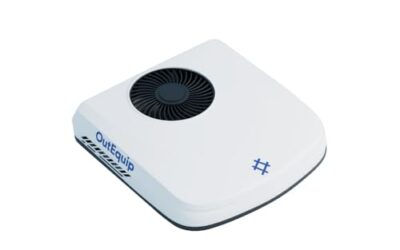
Penguin Chillers 1/2HP Glycol Chiller

This is the chiller for a brewer who has outgrown one vessel and wants one cooling plant for the fermenter row. The half-horsepower compressor and two-gallon reservoir support up to four fermenters through the lid fittings, and the maker sizes it to hold fermentation temperatures on one-barrel conicals while pulling a cold crash — the two jobs that expose weak chillers. Because it is built for brewing rather than adapted from another trade, the bath can run down toward lager and crash territory without strain, and each vessel keeps its own pump and controller, so an ale at 68°F and a lager at 50°F can share a cold source.
Specs
- Compressor: 1/2 HP
- Cooling capacity: 2,500 BTU/hr at a 28°F bath
- Reservoir: 2 gallons, insulated
- Fittings: 4 inlet and 4 outlet 3/8-inch barbs in the reservoir lid, serving up to 4 fermenters
- Electrical: 110–120V, 3.9A, 450W
- Power cord: 6 feet
- Noise level: 56 dBA
- Lowest recommended bath temperature: 5°F
- Warranty: 1 year
- Built in the USA
Best for: Brewers running one to four jacketed or coil-equipped fermenters who want one chiller that holds ale temperatures and still pulls a proper cold crash.
Watch out for: Pumps, controllers, tubing, and coils are sold separately — each fermenter needs its own pump and controller kit before the loop can run.
Which One Fits Your Situation
With a single pick, the question becomes whether this chiller matches your brewery today and the one you are growing into. The four situations below cover the setups this unit most often serves. If none of them sounds like your brewery — one small carboy, say, or a room full of seven-barrel tanks — a different cooling route will serve you better than forcing this chiller into the wrong job.
One or Two Small Fermenters
For a pair of five- to fourteen-gallon conicals, this chiller is generous on capacity, and that headroom is the point. Each vessel gets its own pump and controller, holds its own set point, and never waits for the other to finish a crash. You also keep two spare fitting pairs for the fermenters most homebrewers eventually add, instead of replacing the chiller when the brewery grows.
A One-Barrel Conical at Full Tilt
One-barrel batches are where smaller chillers run out of breath. The maker’s own sizing puts a barrel at about 150 BTU per hour during fermentation, 300 to hold it cold, and up to 1,000 through a crash — all comfortably inside this unit’s output at a 28°F bath. A single barrel with an ale beside it, or two barrels taking turns crashing, stays a realistic workload rather than an optimistic one.
Lagers and Long Cold Crashes
Lager programs punish weak cooling twice: weeks of holding near 50°F, then a pull down to the mid-thirties for clearing and storage. A bath that can sit at 28°F gives the loop enough difference to drag vessel temperatures down and keep them there, and the insulated reservoir limits how hard the compressor works across a long lagering schedule. If cold crashing is the main reason you are buying, this is the duty the unit was sized for.
A Warm Garage Brewery
Ambient heat is a silent heat load. Every degree the room climbs adds work at the fermenter walls and along the tubing runs, and garages swing harder than basements. The extra capacity here buys forgiveness: insulate the vessels and lines, keep the chiller out of direct sun with air moving around it, and the loop holds set points through summer afternoons that would overwhelm a marginal unit.
Common Mistakes
- Buying the chiller alone and forgetting that every fermenter still needs its own pump, controller, tubing, and coil or jacket connection before anything gets cold.
- Mixing the glycol by guesswork — too weak invites slush on the coil at low bath temperatures, too strong moves heat poorly and works the pumps harder.
- Running bare, uninsulated tubing across the brewery, which sweats onto the floor and wastes cooling on every foot between chiller and fermenter.
- Asking the chiller to knock down hot wort; return glycol should stay below 100°F, so chill wort with water first and let the loop handle fermentation duty.
- Sizing only for today’s vessel count, then discovering the lid has no spare fittings when a second or third fermenter joins the row.
Frequently Asked Questions
How many fermenters can one glycol chiller run?
This unit serves up to four fermenters through its lid fittings, with each vessel drawing glycol through its own pump. The practical limit is total heat load rather than the count alone: four small ales at holding temperature ask far less than two one-barrel conicals crashing at once, so add up your vessels’ loads before assuming all four ports can run hard together.
What glycol mix should I fill it with?
Use food-grade propylene glycol blended with water. For a bath held around 28°F, makers commonly point to a mix near thirty five to forty percent glycol, which protects the coil from slush while still carrying heat well. Check the blend with a refractometer after filling, top up with the same mix as levels settle, and never substitute automotive or ethylene-based products in a brewery loop.
Can a glycol chiller handle cold crashing and lagering?
Yes — that is the work that separates a true glycol loop from a repurposed water chiller. With the bath near 28°F, vessels can be pulled into the 35–45°F band for crashing and held there for clearing, while lager fermentation around 50°F is light duty by comparison. Insulated fermenters reach and hold those temperatures faster, especially in warm rooms.
Do I still need a temperature controller for each fermenter?
Yes. The chiller’s job is only to keep the reservoir bath cold; it does not know what any individual vessel needs. A controller per fermenter reads that vessel’s temperature and switches its pump, which is what lets an ale and a lager share one chiller at different set points. Plan on one controller and one pump for every vessel you connect.